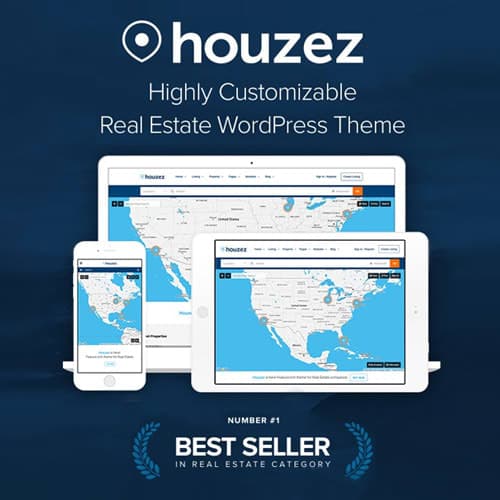
Houzez at Scale: How I Built a WordPress Real Estate Theme That Powers Thousands of Sites
A behind-the-scenes look at the engineering decisions behind Houzez—performance, extensibility, UX, and what it takes to maintain a high-selling WordPress product long-term.
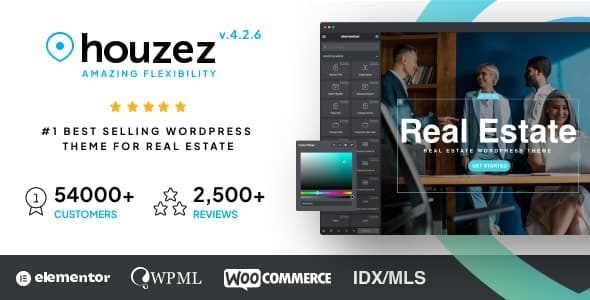
Houzez at Scale: Building a Real Estate WordPress Theme That Lasts
Most WordPress themes are designed to look good in a demo. Real estate themes are different: they have to survive real-world data, real-world agents, and real-world workflows—thousands of listings, dozens of filters, multiple languages, heavy map usage, leads, forms, and constant customization requests.
I built Houzez with one primary goal: ship a theme that performs well, stays flexible, and can be extended without breaking every time WordPress or the ecosystem evolves.
This post is a founder-level, engineering-focused breakdown of the decisions that matter when you build a WordPress product used by thousands of businesses.
1) Real Estate Is a “Data Product,” Not a “Design Product”
In real estate, the theme is not just UI. It’s a system that handles:
Listing data: dozens (sometimes hundreds) of fields per property
Search UX: filters, sorting, saved searches, and fast results
Lead capture: forms, agent assignment, email notifications
Media: galleries, floor plans, video, virtual tours
Location: maps, geocoding, proximity filters, neighborhoods
That’s why a “pretty demo” is never enough. If your architecture doesn’t handle messy data and heavy usage, the site becomes slow and painful to manage.
2) Extensibility Is the #1 Requirement for a Successful Theme
Every customer has a different business model:
single-agent sites
agencies with multiple agents
marketplaces (agents submit listings)
developers building custom portals for clients
So I approached Houzez as a platform:
Hooks-first: predictable actions/filters so developers can extend safely
Template structure: override-friendly without fighting core updates
Custom fields: flexible schemas so different regions can model properties correctly
In WordPress, the difference between a product that scales and one that dies is whether developers can customize it cleanly.
3) Performance: Where Real Estate Sites Usually Fail
The biggest performance killers in real estate themes are predictable:
heavy WP_Query filters across many meta fields
map rendering + markers + clustering
large image galleries without optimization
too many third-party scripts (chat widgets, analytics, CRMs)
The “correct” solution is not one trick. It’s a mindset:
Search and archive performance
When possible, you reduce query cost by being intentional with indexing, query shape, and caching. A theme can’t control every hosting environment, but it can control how wasteful it is by default.
Media performance
Real estate listings are image-heavy. You win by enforcing good defaults: responsive images, lazy loading, and clean gallery behavior.
Front-end payload
Many sites become slow because every page loads everything. A theme should load only what’s needed per page type.
4) UX Decisions That Matter for Agents and Buyers
Real estate UX is about removing friction:
Fast search: filters should feel immediate and understandable
Clear listing pages: pricing, features, and location must be scannable
Lead capture: contact forms should be accessible without being annoying
Mobile-first: most browsing starts on phones
One thing I learned: buyers don’t want “more features.” They want a faster path to the information they care about.
5) Integration Reality: Portals, CRMs, and MLS Feeds
Modern real estate sites are rarely standalone. They connect to:
property portals (region-specific)
CRMs and email marketing tools
WhatsApp/SMS communication flows
MLS/RESO feeds (in some markets)
That’s why you need a clean integration surface—API endpoints, import/export compatibility, and structured data that external systems can rely on.
If you’re building a real estate site today, integrations are not “extras.” They are part of the core workflow.
6) The Hard Part: Maintaining a WordPress Product Long-Term
Shipping a theme is easy. Maintaining it for years is the real work.
Long-term maintenance requires:
backward compatibility without freezing innovation
constant testing against plugin ecosystem changes
support systems that scale with customer growth
clear documentation that reduces “support load”
This is the part many developers underestimate. A successful product is not only code. It’s systems, process, and consistency.
7) What I’d Recommend If You’re Building a Theme or Plugin
Design your data model first. Real estate is a data-heavy domain.
Build for extensibility. Hooks and overrides must be reliable.
Default to performance. Avoid expensive queries and heavy assets by default.
Document relentlessly. Every missing doc becomes a support ticket.
Plan for updates. Your product is a living system, not a one-time release.
Final Thoughts
Houzez succeeded because it was built for the reality of real estate businesses, not for screenshots. Performance, extensibility, and workflow matter more than “feature lists.”
In the next Houzez-focused post, I’ll break down the exact performance patterns I recommend for real estate sites (caching layers, query strategies, and what to avoid).
Try Houzez (Official Site)
If you're building a real estate website and want a theme that’s designed for real-world listings, performance, and long-term growth, take a look at Houzez.
- Built for agents, agencies, and marketplaces
- Flexible listing fields and modern real estate UX
- Optimized for real-world scale and extensibility
Learn more and see the latest Houzez updates here: https://houzez.co
Waqas Riaz
Software Developer